 When doctors, therapists, experts, and books talk about autism, they talk a lot about communication. They explain unusual play, stimming, repetitive behaviors, developmental delays — in short, everything they can see and maybe help with. That makes sense. During evaluations and therapy, these are the behaviors or lack of behaviors they confront. Most of them kindly will, at some point, also remind you to take care of yourself and to seek out support groups or activities that will strengthen you as a person. They are aware that parenting a child with autism can be highly stressful.
Here is something that isn’t talked about enough. Sleep loss. Not a single individual - including the developmental pediatrician - even once mentioned sleep irregularities in spectrum kids. Not a one. So, for the first couple years of his life, we had no idea how common sleep irregularities are.
And it’s irregular alright. When you bring your newborn home with you, you expect to sleep in bursts. You are aware - not prepared, as nothing can prepare anyone for what sleep loss with a newborn entails. But you figure on going a couple of months getting up every hour or two. Then you somewhat reasonably (depends on how lucky you are really) expect that will taper off to getting up once or twice a night until you are eventually blessed with an all-night sleeper.
Our daughter was pretty easy. She followed this pattern, although she woke up once a night for a lot longer than we expected. But we knew that wasn’t unheard of, so it was no big deal.
And then came Callum. He was the sweetest, smiliest, easiest baby in all the world. But this child woke every 1 to 2 hours every night until he was 2 1/2. And, for the year before that, he often refused to take a nap — happily babbling away and joyfully shouting and jumping in his crib. This, of course, put a serious dent in his big sister’s nap time and night sleeping as well. We’re all affected. If you take a good look at my family of four, you might notice the circles under our eyes at any given time.
And, although he is now known to sleep through the night some nights, we run about a 50/50 chance that Callum will wake up screaming, be inconsolable, and eventually become alert enough — to stay up for, oh say, 4 to 5 hours before getting sleepy again. This means a lot of extraordinarily early mornings. It is quite common for me to go to work at 7:30 a.m., having been up since 1 or 2 o’clock in the morning.
There are all kinds of supplements and alternative therapies people swear by. We’ve tried some of them. It didn’t help. Our lives are made of up of randomly scattered nights of rarely full, mostly interrupted sleep or only a couple of hours of it. The thing is, as any ASD parents whose children have had this sleep irregularity symptom can attest, it’s really really bad for one’s health, career, emotional state, marriage, friendships, and - dare I say? - driving capabilities. Ongoing sleep loss makes you susceptible to all kinds of colds, viruses, and even things you wouldn’t think of such as muscle strain. We find ourselves more accident prone. I certainly have lost a lot of my enthusiasm for going the extra mile at work. (I haven’t volunteered to chaperone a school dance in three years.) I’m too tired to accept invitations that involve being out with friends at night. And marriage? We love each other and have no plans for divorce, but we have had the “No, you’ve had more sleep than me, so you get up” fight many, many a time. Almost all of our disagreements center upon who deserves to take a nap more. Which is not unlike people fighting for the last life raft. There comes a point of sleep loss when civility and compromise are strained and it’s every parent for him/herself.
I have been saying for nearly three years now that the best gift anyone could give to me would be a night in a cold hotel room with light-blocking shades. (With Sean back in school full-time and our family of four living on my teacher’s salary, that’s a luxury we won’t give ourselves.) But, oh my, would it be nice. Curiously, people don’t seem to believe me and are more likely to give tourist t-shirts or spa sets as gifts, but I digress.
It will come as no surprise to you, dear reader, dear fellow parent in the trenches, that I am writing this post at 1 a.m.
Listing to my baby going “ah zhoo ah zhoo ah zhoo”. No, I have no idea what he is saying, but he has always babbled as if he’s talking (which is how we often miss the real words he surprises us with). And I am reminded that, one day, he will likely sleep through the night all the time. That, hopefully, he will thrive and maybe, just maybe, become a daddy sitting up with his own little sleep avoider. That I will miss having my soft, chubby kneed baby boy in my arms That, even in the despair of bleary-eyed exhaustion, there are simple moments of pure contentment in the quiet, dark hours of the night, passing the time with this happy little companion.
And suddenly, I’m smiling face to face with my sweet baby boy. My slightly-sleepy-but-craving-skin-to-skin contact little boy who, when my husband went and got him and brought him into our bed, began to pet my arms and face and snuggle and plaster himself to me, giggling in pure joy of cuddling with his mama. Now that? That’s love. He has never said the words, but we know we are blessed in our assurance of Callum’s abundant love.
 I know what you’re thinking.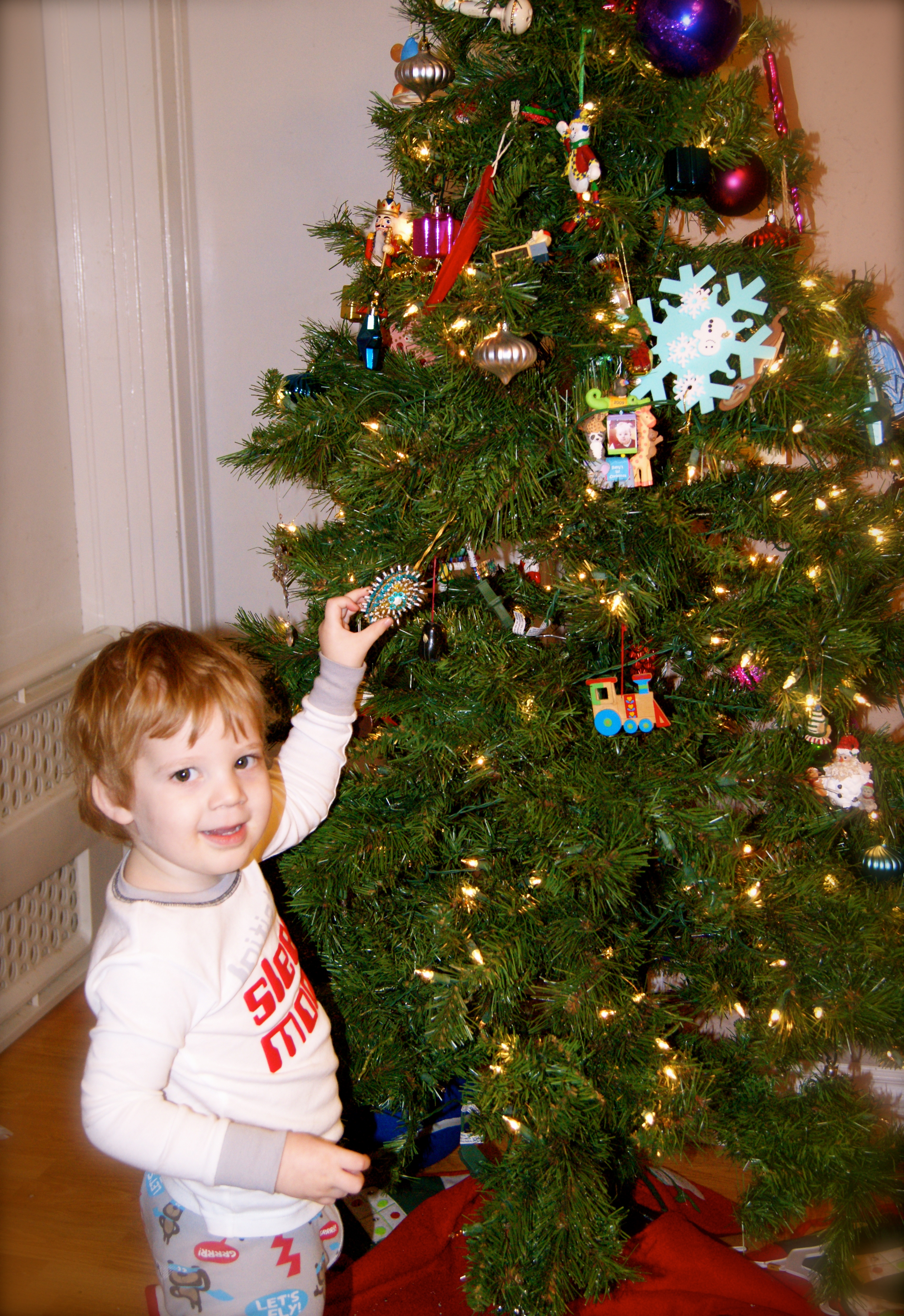
 Dear Shopper,
 “In the depth of winter, I finally learned that within me there lay an invincible summer.”
 Since beginning this blog just short of a month ago, I’ve had a few people email me to ask me questions like, “Is it hard to set up a blog like this?”, “How did you learn how to do this?”, etc. While it is awfully nice that they would ask me these questions, I am a newbie. But it got me thinking about my experiences with blogging over the past few weeks, and I find that I have learned a few things. So, if you are thinking about starting your own ASD/special needs parent blog, here’s what I have gleaned so recently:
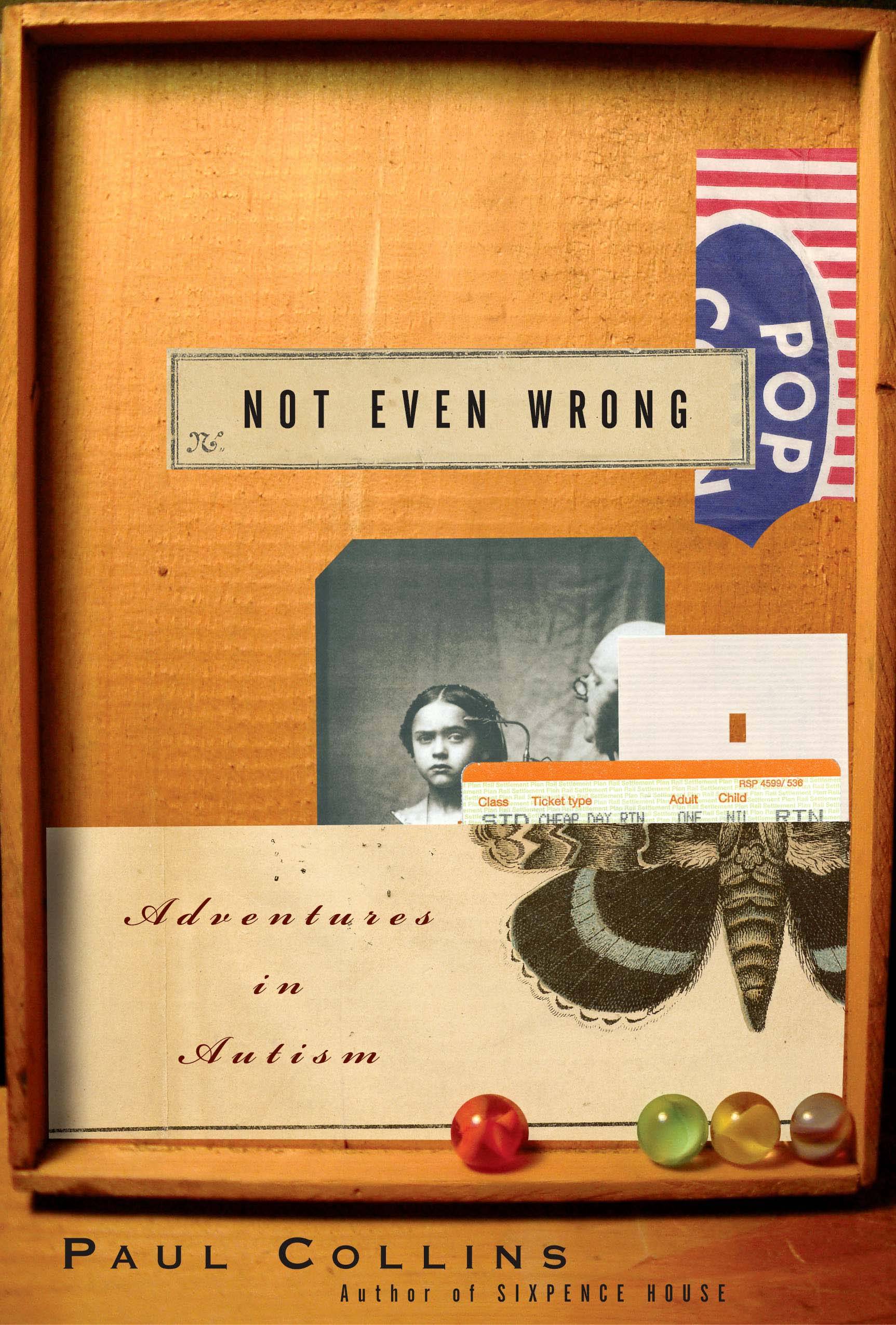 “Think of it: a disability is usually defined in terms of what is missing. … But autism … is as much about what is abundant as what is missing, an over-expression of the very traits that make our species unique.”
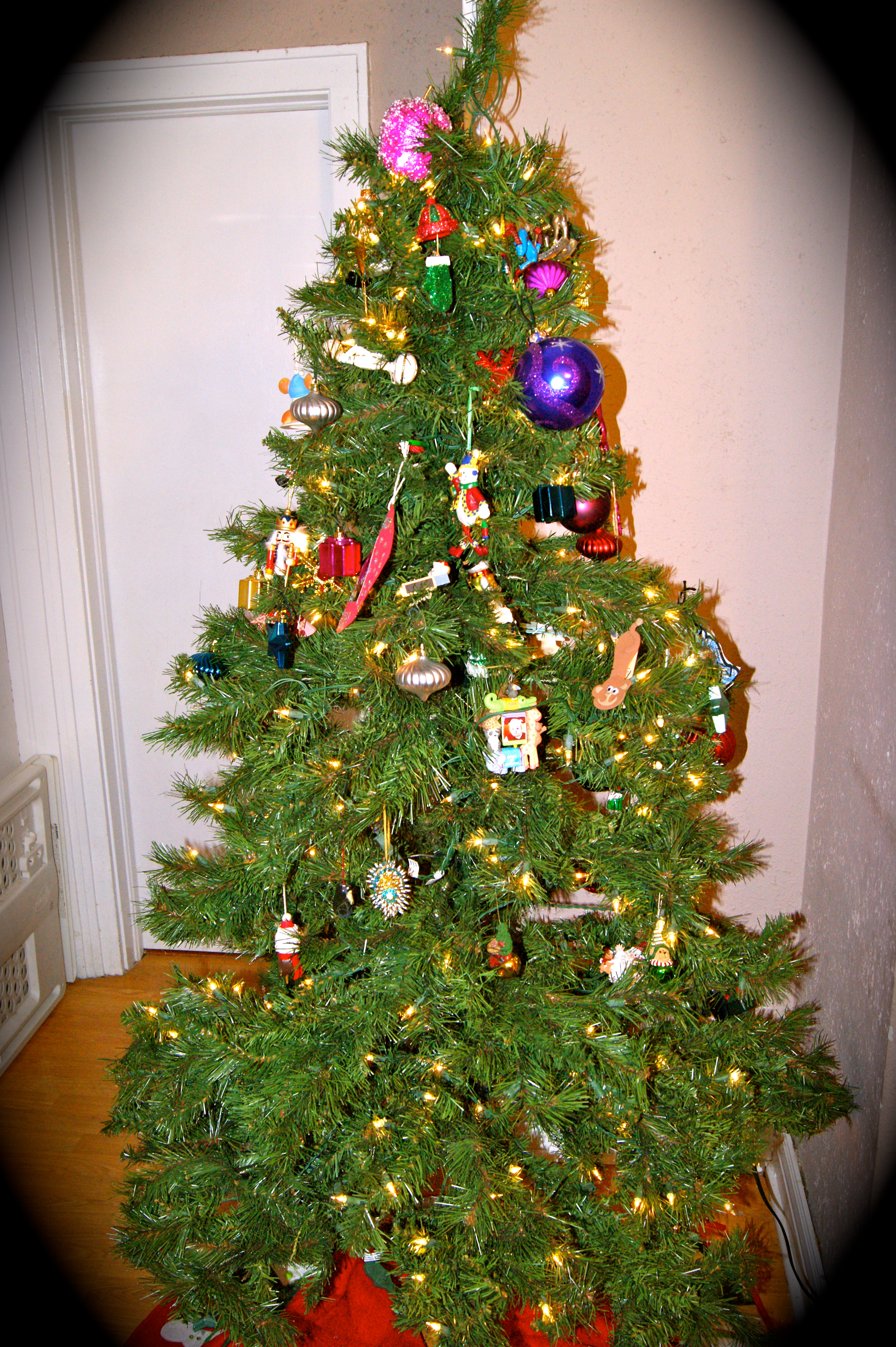
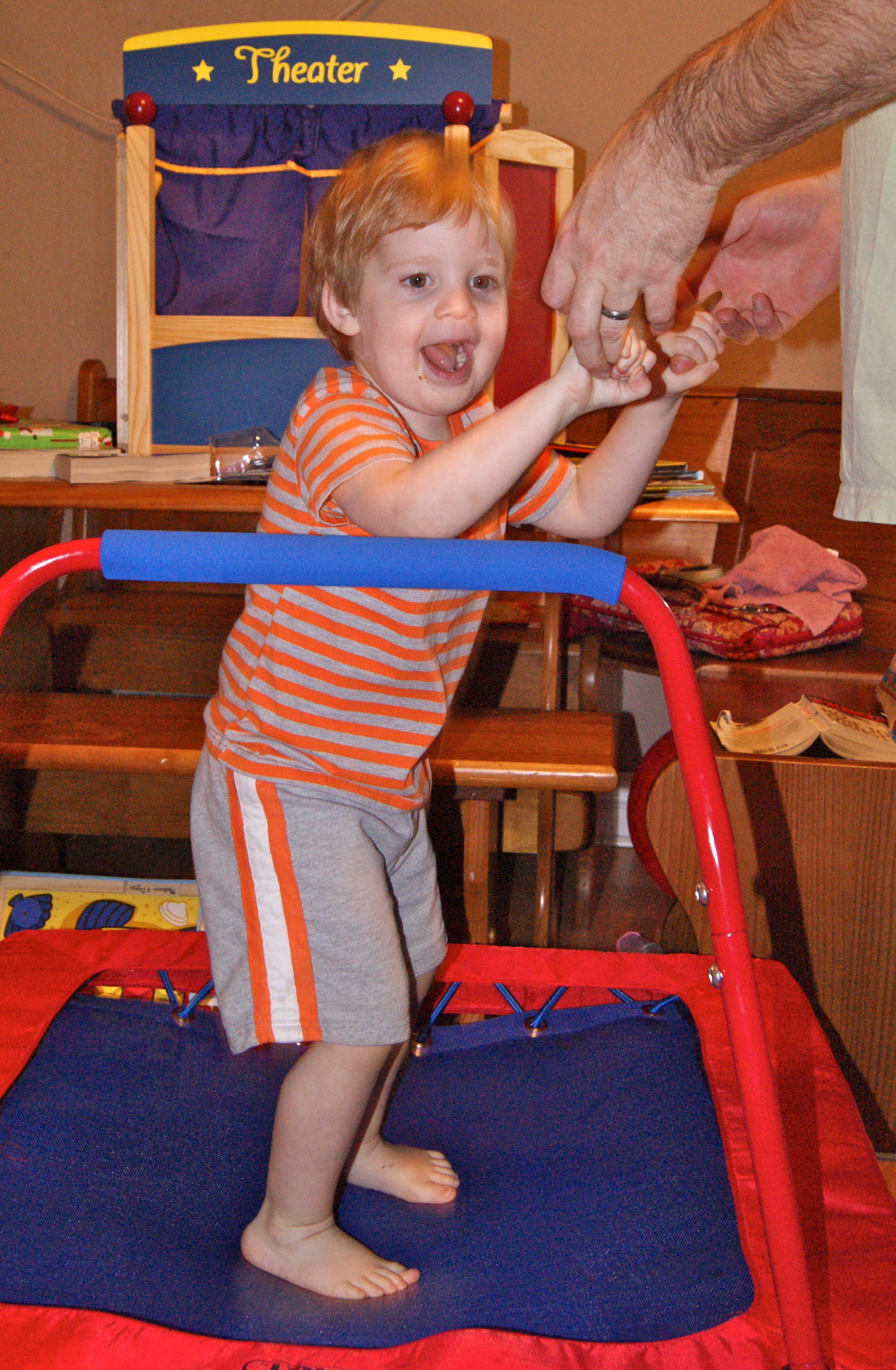 Christmas came and went.
 “In an ideal world the scientist should find a method to prevent the most severe forms of autism but allow the milder forms to survive. After all, the really social people did not invent the first stone spear. It was probably invented by an Aspie who chipped away at rocks while the other people socialized around the campfire. Without autism traits we might still be living in caves.”
 “Patience: A minor form of despair disguised as a virtue.” ~Ambrose Bierce
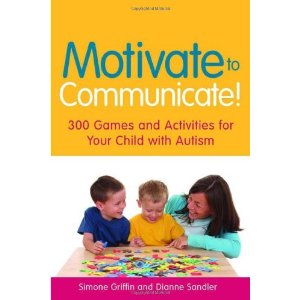 Motivate to Communicate: 300 Games and Activities for Your Child With Autism is a great resource for parents, teachers, therapists, and other caregivers to help motivate children with autism and other communication disorders. Written by Simone Griffin, a speech therapist, and Dianne Sandler, a special education teacher, this book aims to help us use everyday objects to entice children to communicate.


